Safeguarding user data at scale
Turning a fragmented system into a scalable foundation.
Role
Lead Product Designer
Timeline
February — March 2024
2 months
Team
1 PD, 1 PM, 1 researcher, 3 engineers
Skills
Product Strategy · Information Architecture · Systems Design
Overview
What happens when users have to understand the system just to do their job?
Policy Manager is an internal Meta platform engineers use to ensure data is only used for its approved purpose. As Meta's privacy infrastructure scaled, the product accumulated fragmented workflows, technical terminology, and disconnected views that made routine compliance work increasingly difficult to navigate.
At a glance
Challenge
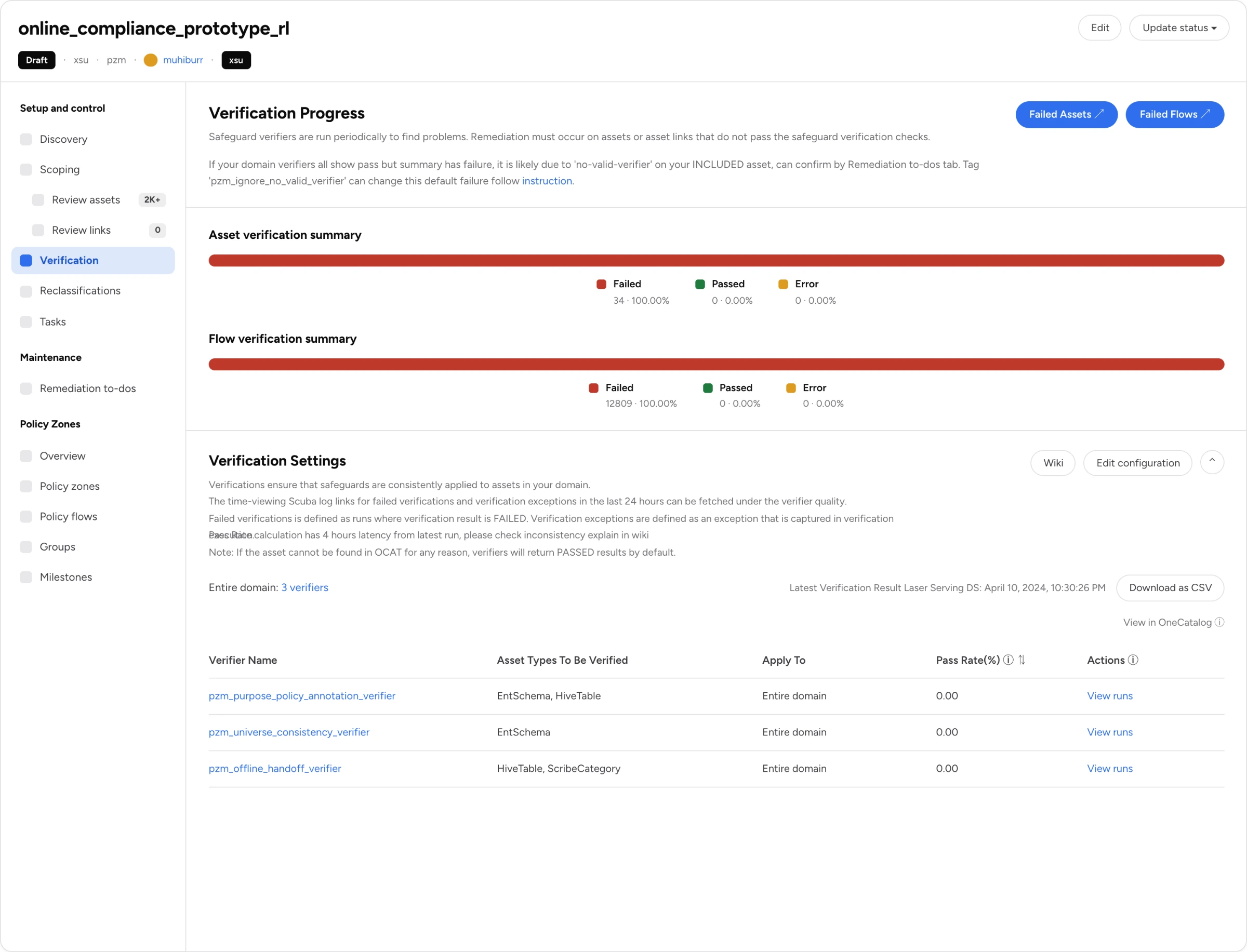
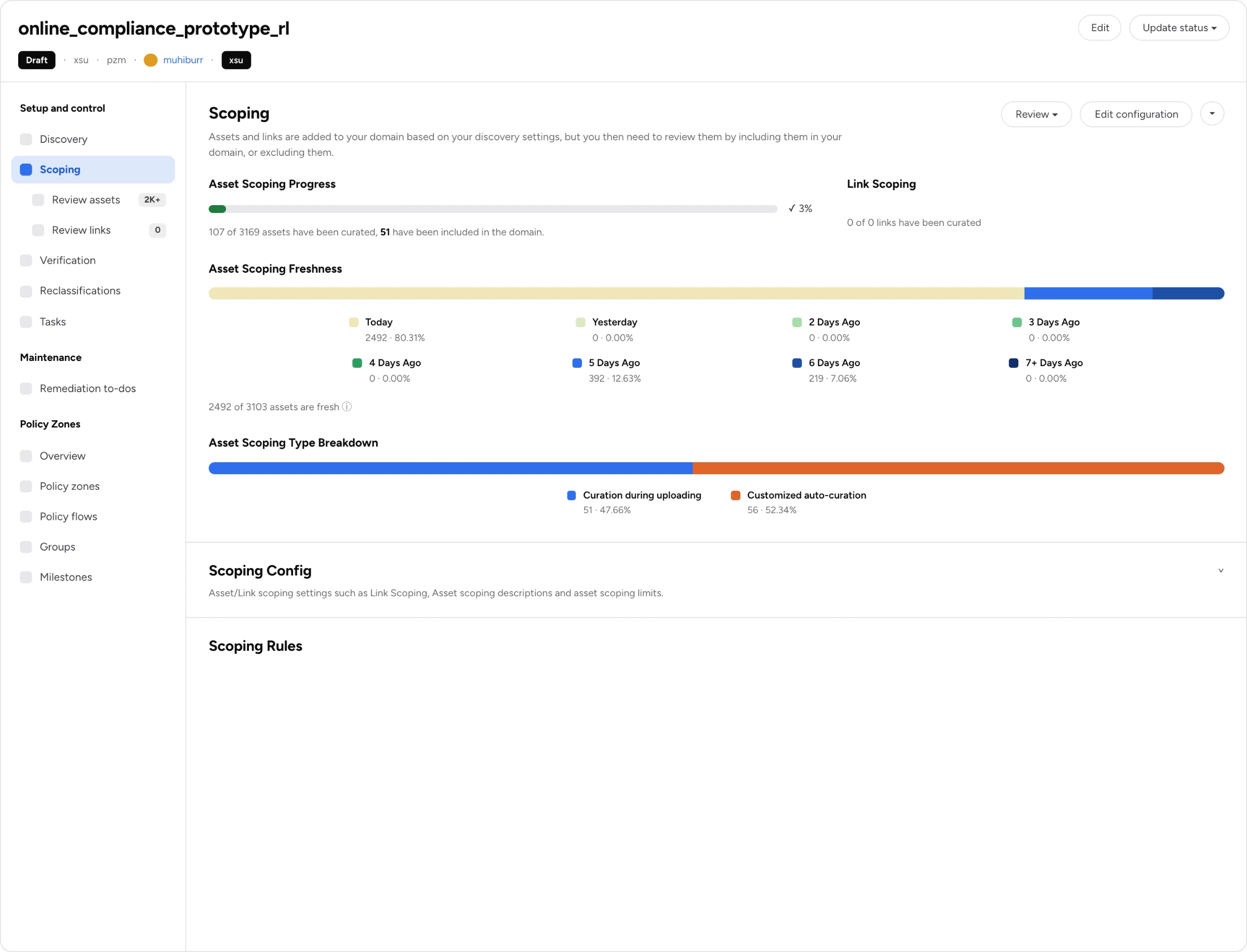
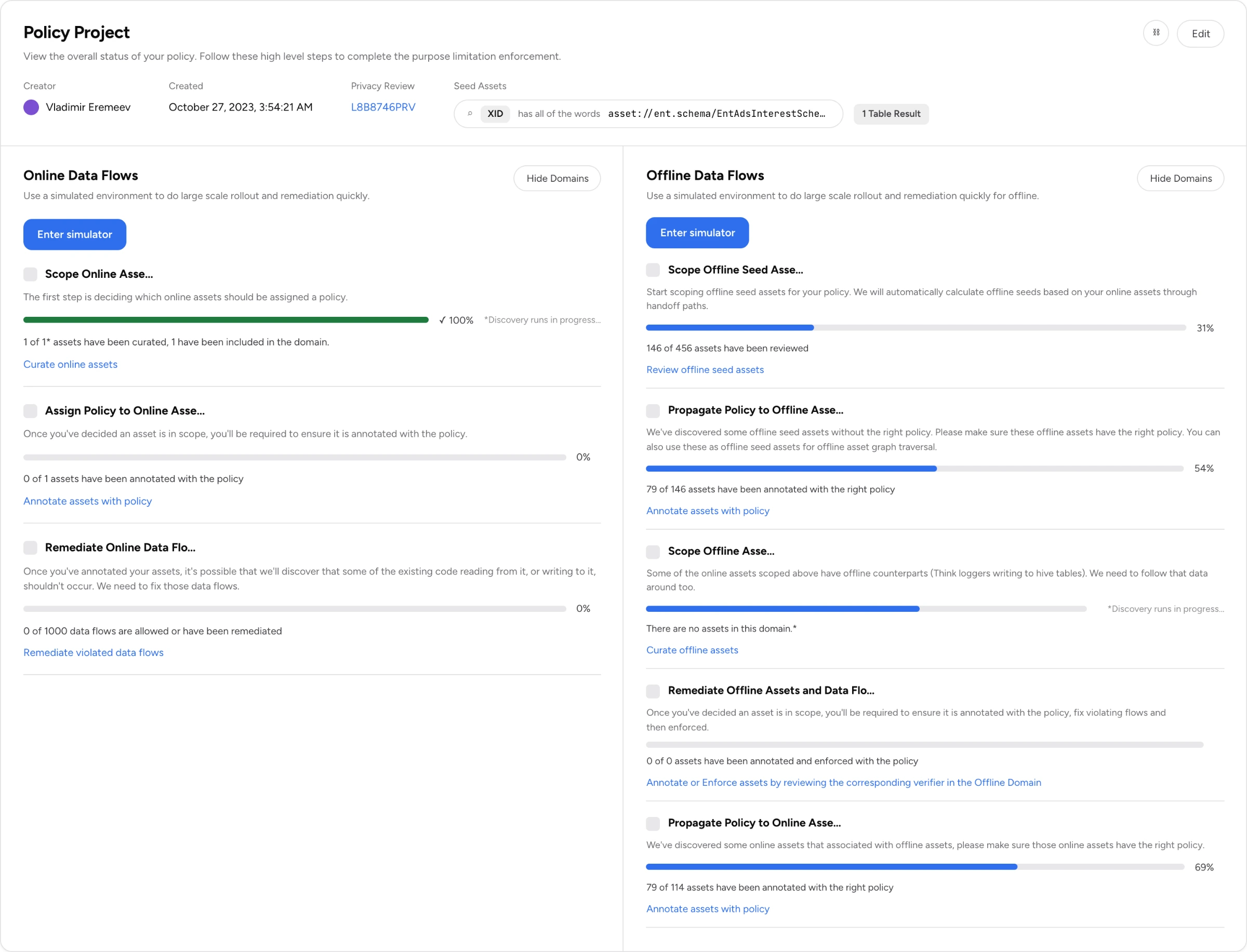
Work was fragmented across 3 progress pages and 4+ tabs per tech stack, forcing engineers to piece together status, next steps, and remediation across the product and external tools.
My approach
I reframed Policy Manager around the Implementation Owner's end-to-end workflow, using cross-functional workshops and research to consolidate fragmented experiences into one operating model.
Impact
Following the redesign, Policy Manager adoption grew 20% from 9,409 to 11,312 unique users over a half, while the unified experience was adopted across 3 new teams.
Why this mattered
No one had designed for the person moving across the system.
None of the workflows were built with the Implementation Owner in mind who had to move across all of them. Fixing that wasn't about picking the best workflow or bolting the others onto it. It meant stepping back from the existing system and asking a simpler question: What does an Implementation Owner actually need to do at each step?
What's at stake
Efficiency
Fragmented workflows increase the time and effort required for engineers to understand status, resolve issues, and complete privacy work.
Compliance confidence
When progress and remediation are distributed across systems, it becomes harder to know whether privacy requirements have actually been satisfied.
Trust
When teams coordinate through chats, documents, and spreadsheets, Policy Manager loses its role as the trusted place to operate and track privacy work.
Solution
01
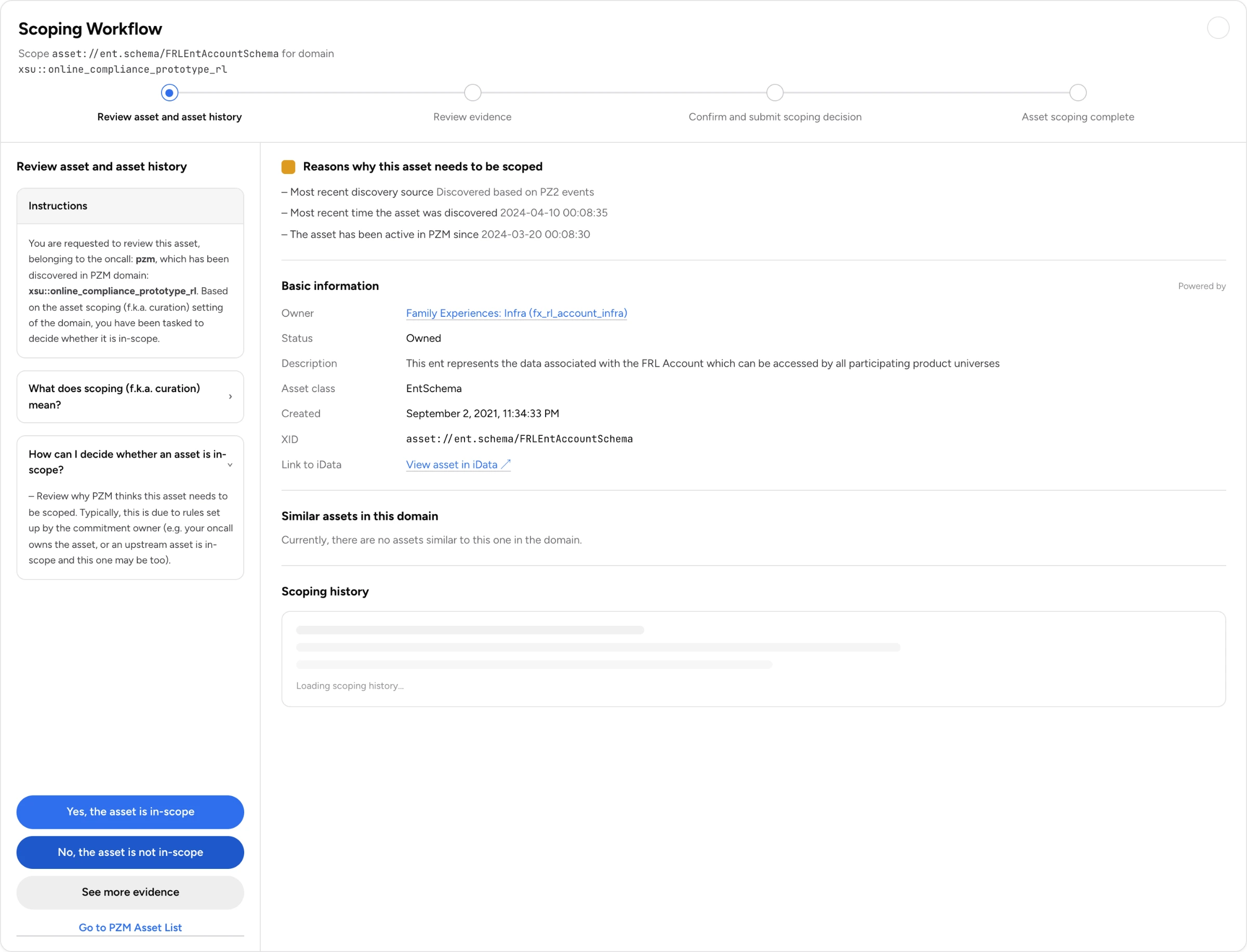
Clear Progress
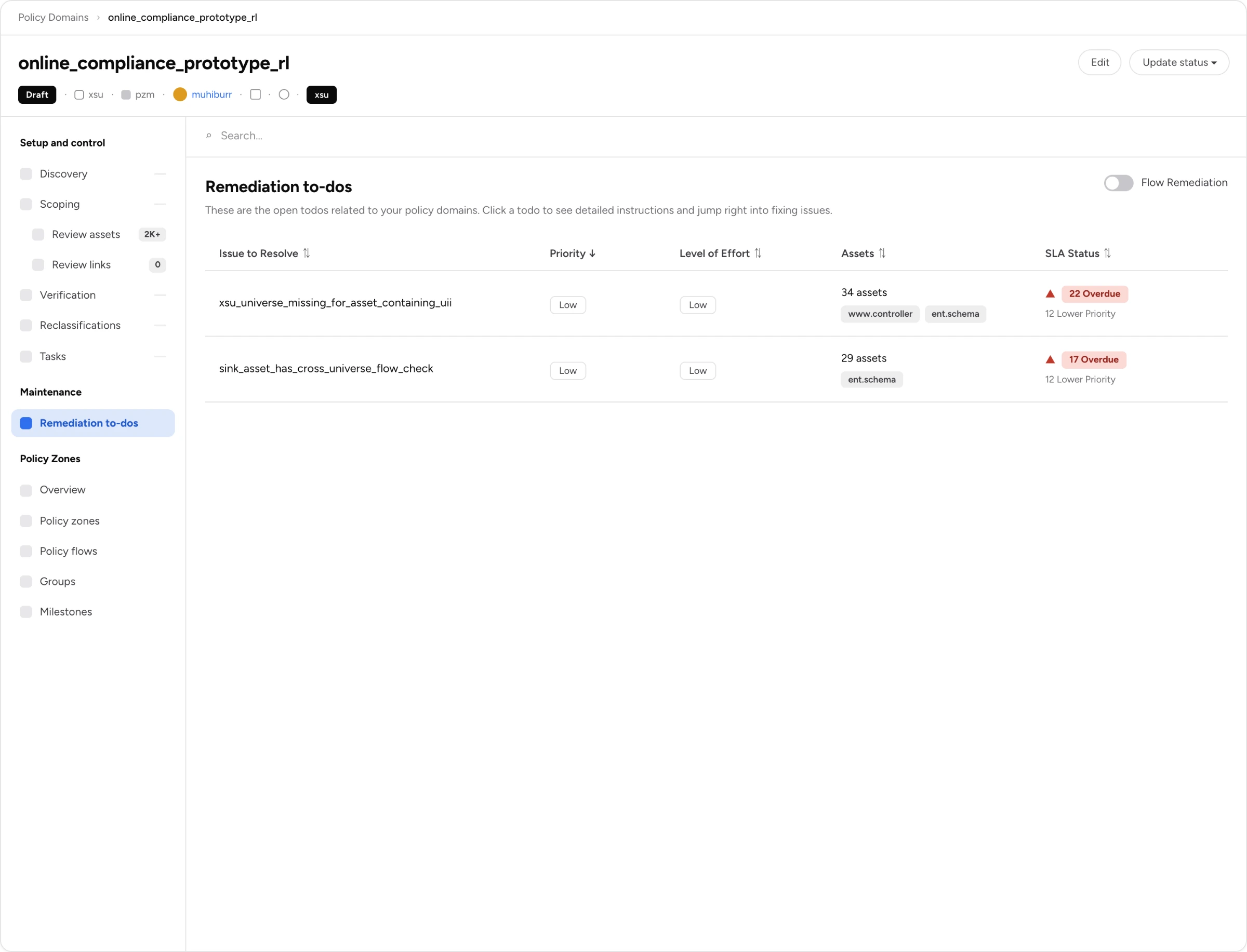
I merged 3 separate progress pages into one central hub with a clear CTA guiding people to their next priority, plus an activity log so work and follow-ups are never lost.
02
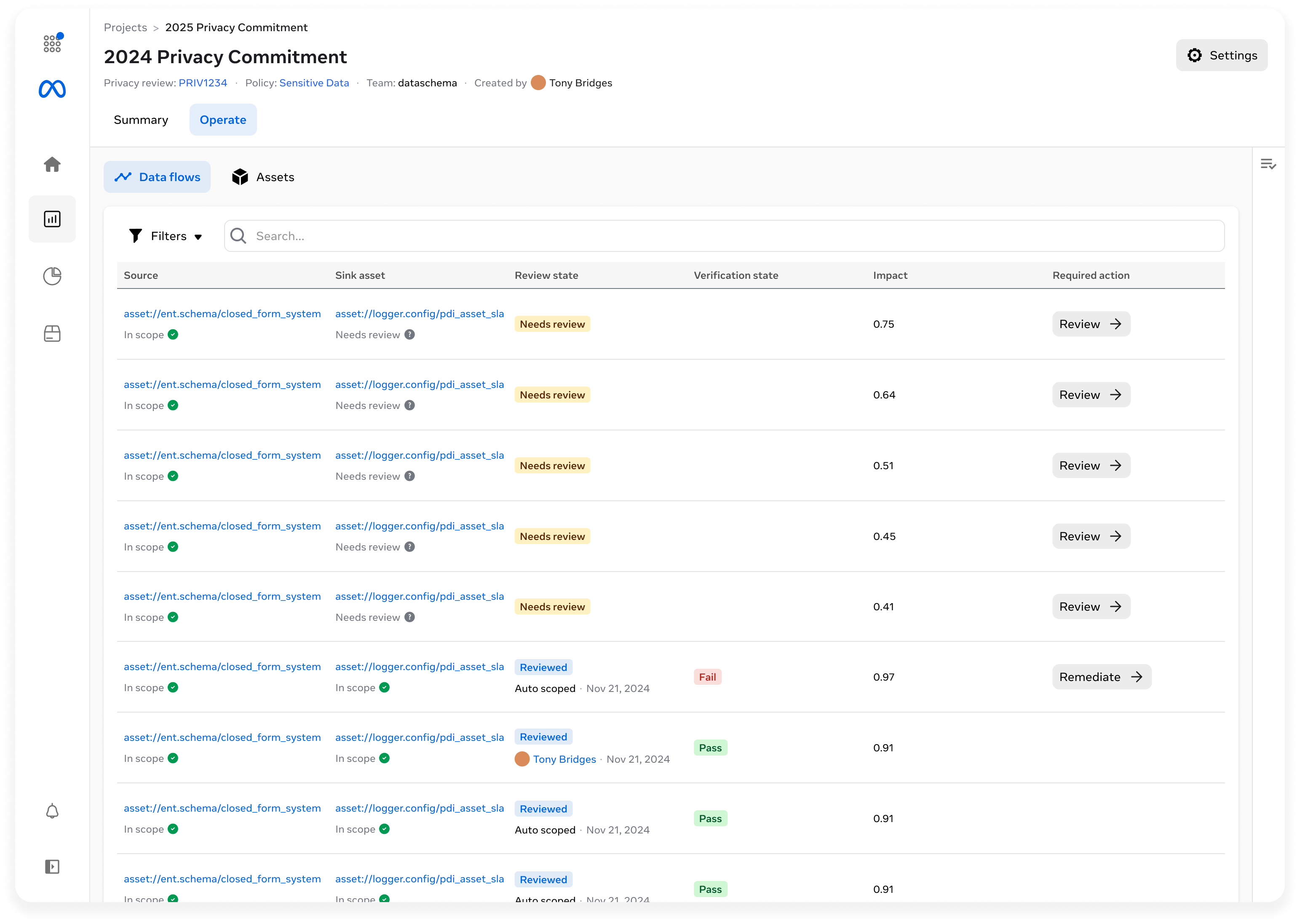
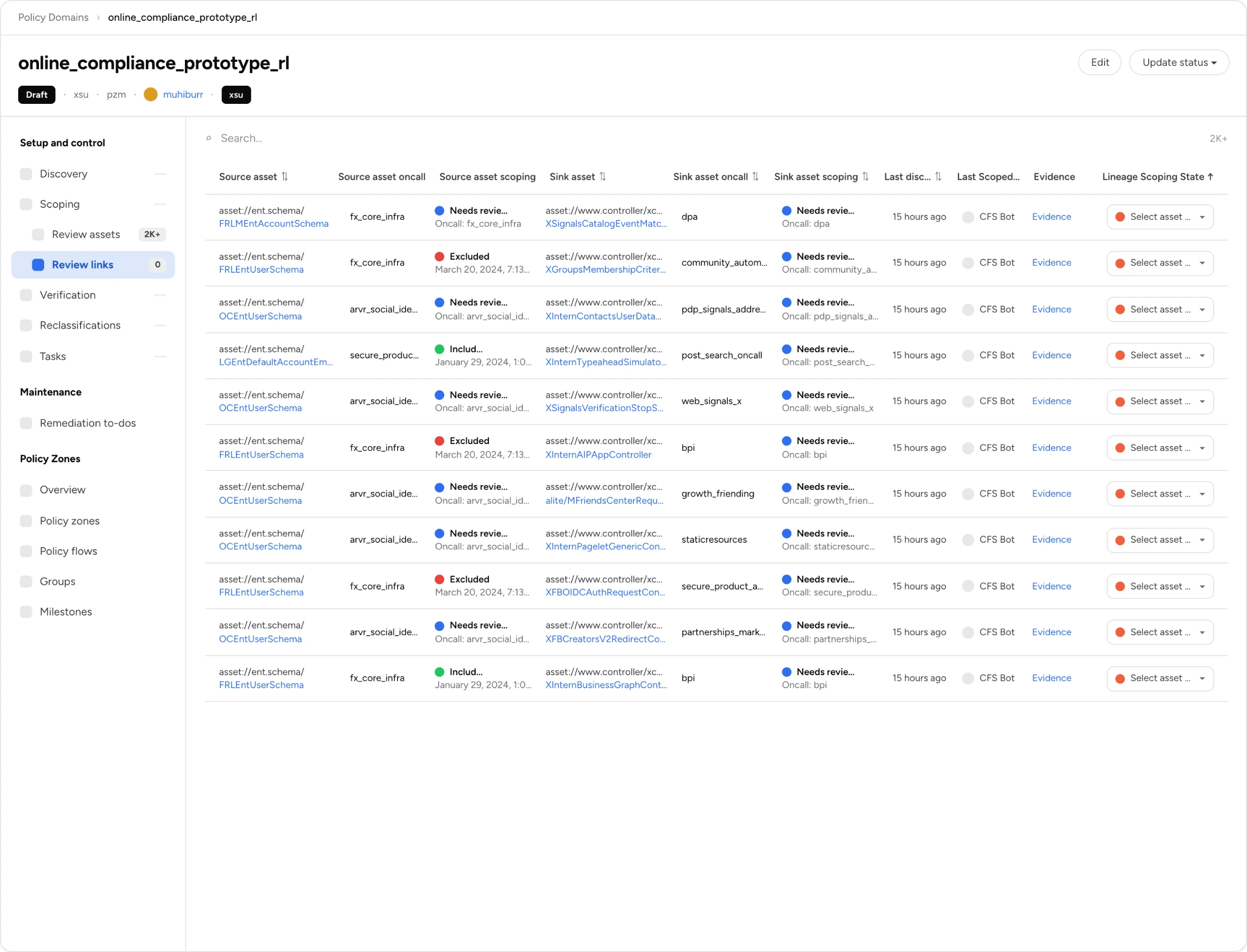
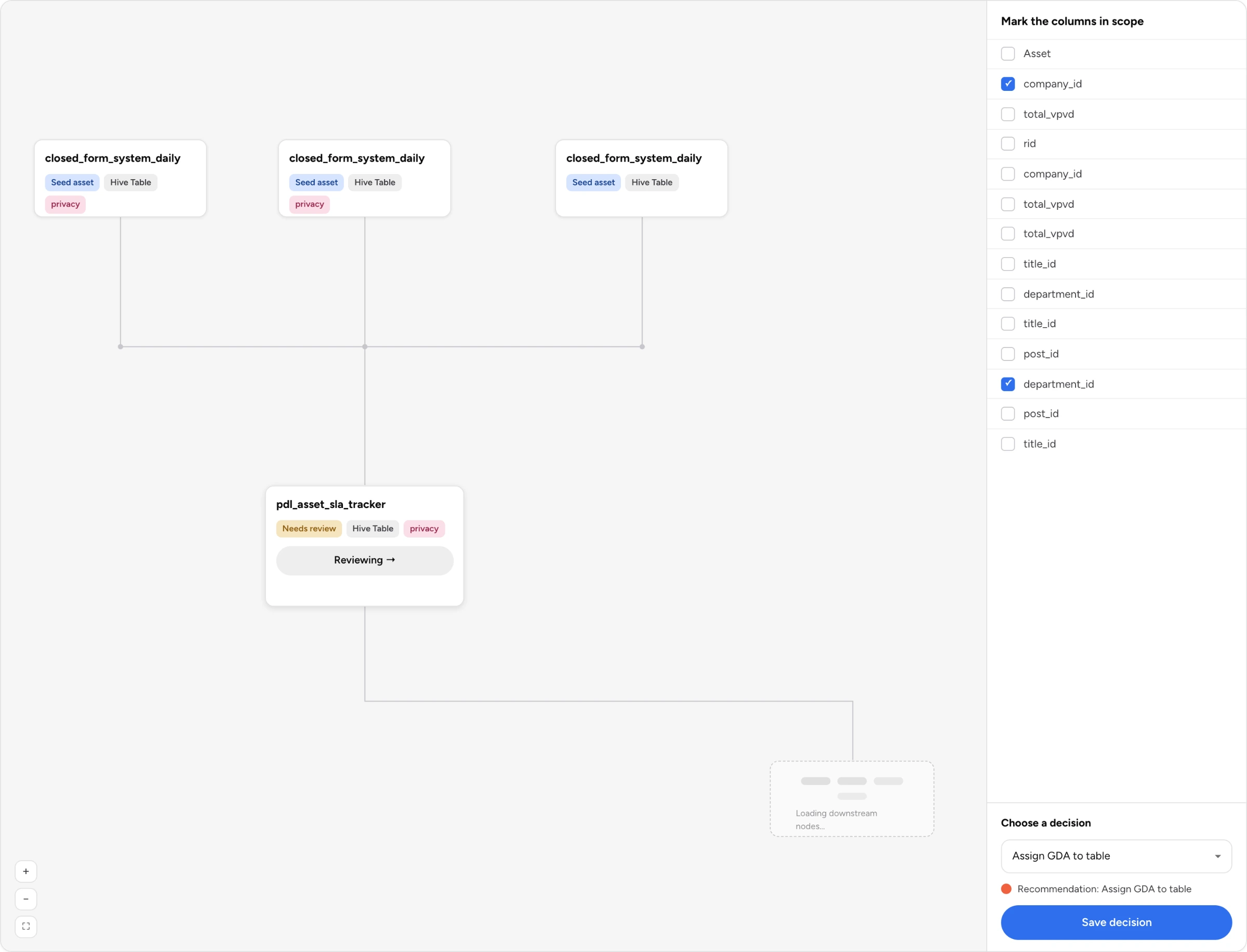
Simplified Operate
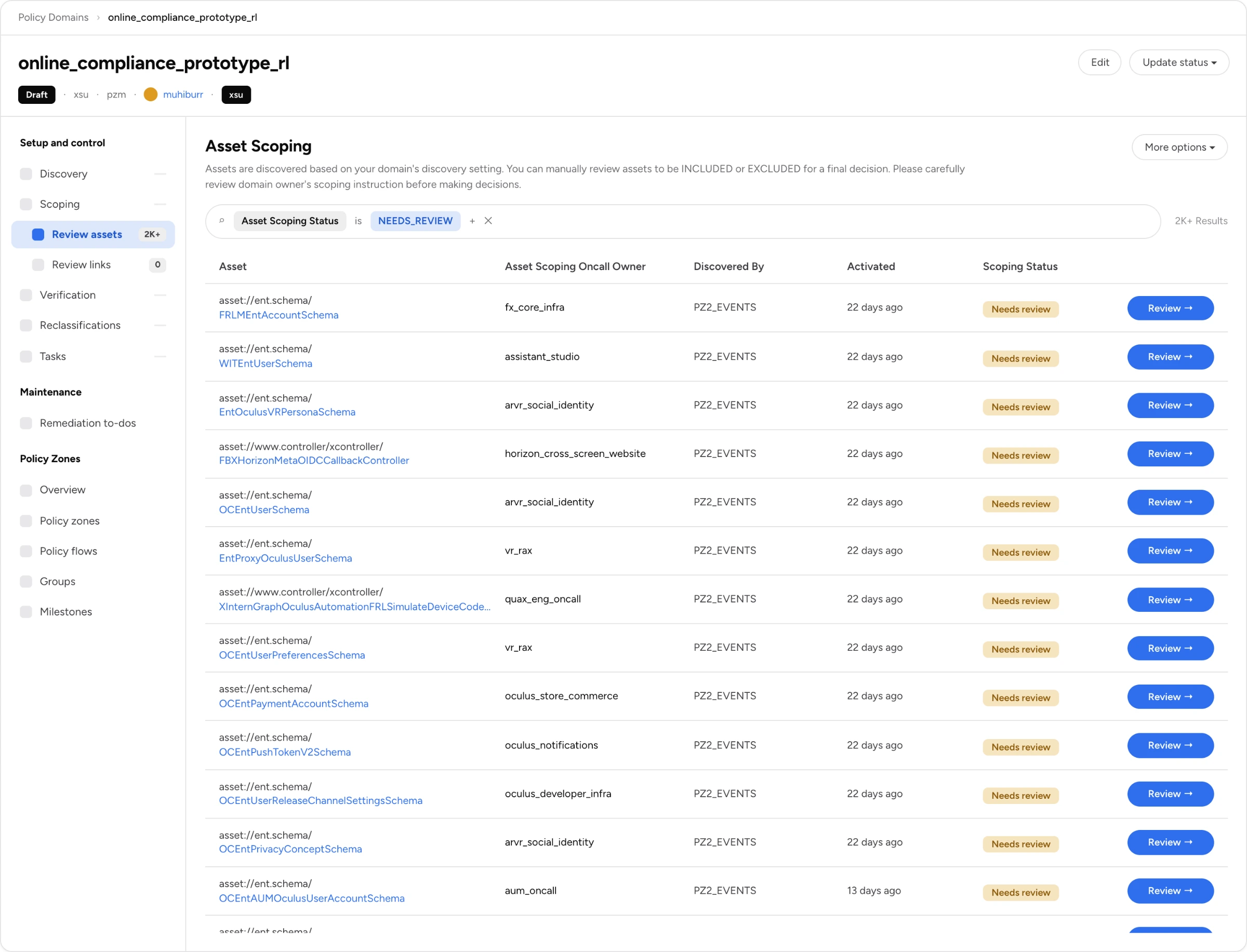
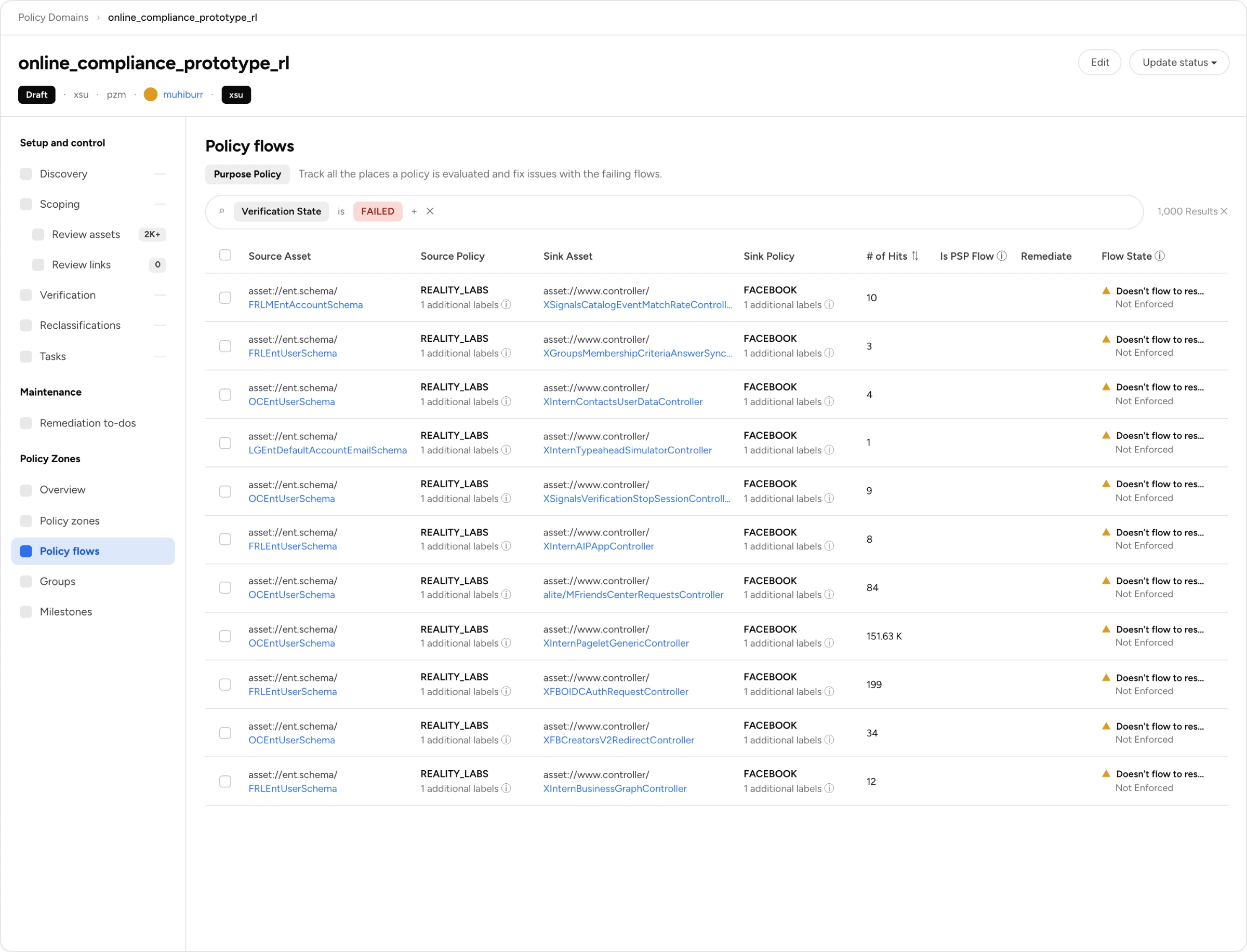
The redesigned Operate page consolidated stack-specific navigation into a single surface with filtering, allowing comparable work to behave consistently across Online and Offline systems.
03
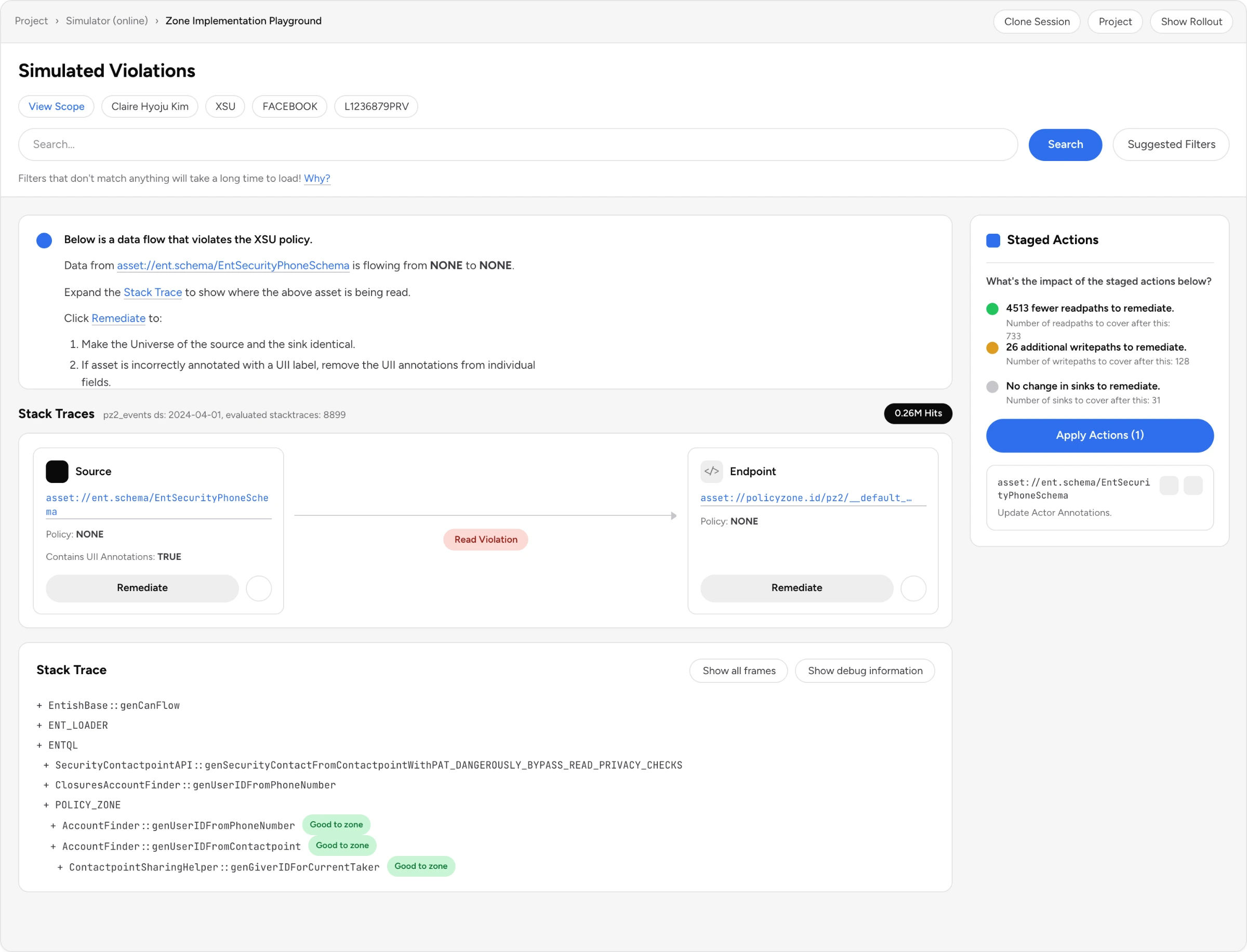
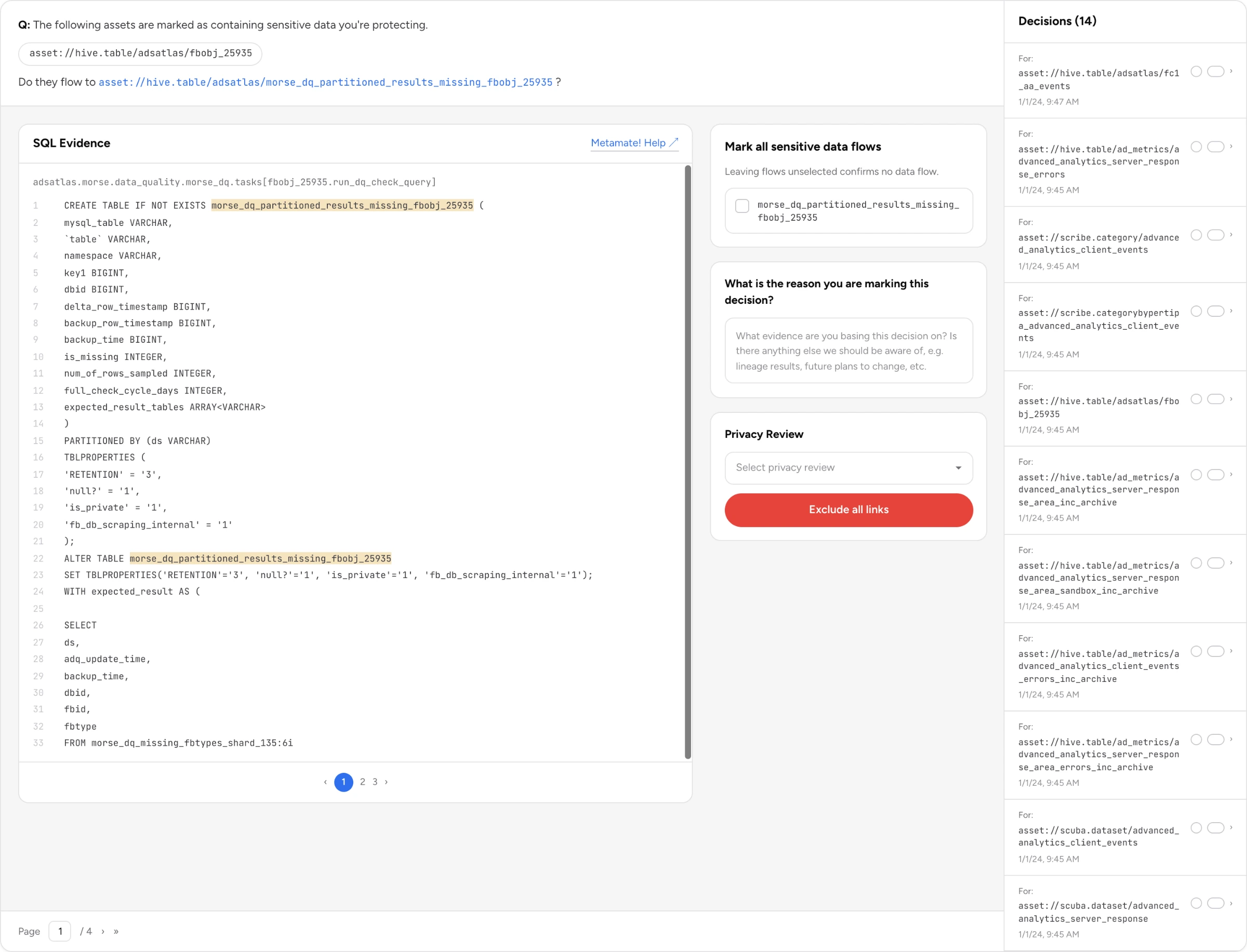
Unified Workflows
This consolidation allowed users to move seamlessly without navigating separate experiences.
Reflection
Alignment was a design problem too.
This project pushed me to think about alignment as part of the design process itself. I established a biweekly customer council that helped turn competing needs into shared decisions and kept teams invested throughout the redesign.
Good design should outlive the problem in front of you.
The biggest shift was learning to look beyond the workflow in front of me. Instead of optimizing individual workflows, I designed around the Implementation Owner, creating a shared structure that could scale across teams.